

The word biome is mentioned in many articles and nature documentaries, but what exactly is a biome? It sounds like something related to ecosystems, something connected to life (hence the prefix bio-). However, rather than being related to biology and the natural sciences, it's a concept used in climatology.
Knowing the characteristics of biomes is very important, because only in this way can one understand how ecosystems really work.
What is the definition of biome?
A biome is defined as a geographical area, usually large in size, where groups of animals and plants can survive due to their ability to adapt to the environment. In other words, they are able to live in their surroundings even when conditions change.
The variable that determines the area of distribution of animal and plant species is climate. The conditions created by the climate are those that favor the formation of a certain type of soil. Thanks to the type of soil, it can give rise to certain species of plants and, in turn, different species of animals can develop. Therefore, it is the climate that determines the biome.
Biome characteristics
Now that you know what a biome is, let's look at its most notable characteristics. Due to human activity and the negative effects of climate change , changes occur in the characteristics of the climate. As changes occur in the climate and in the specific areas where animals and plants develop, these areas can become threatened. Many of the species that live in these places are able to adapt and survive the new conditions and scenarios , but, unfortunately, not all species have the same capacity to adapt and some die out.

Biomes significantly influence the characteristics of natural environments. When a biome harbors a large number of individuals of a particular species, these individuals can dominate other species, forcing them to struggle for survival. Conversely, if a biome has a low abundance of a certain plant species, and animals rely on it for food, this scarcity will be a major limiting factor for the survival of those animals. Therefore, biomes shape the lives of many living organisms.
That is why it is vitally important to learn as much as possible about these biomes, because human actions can alter the natural balance of their components. Many species live in a biome, and we have very little knowledge about the life cycles of many of them. However, it is important to conserve them, just as it is important to conserve those we do know and understand, since some of the species that inhabit biomes, whether large or extremely small, are extremely dependent on one another.
For a biome to be recognized as such, numerous variables must be considered. First, the local climate must be evaluated, as too many variables can influence it. Second, the geographical distribution of a particular area affects the biomes within it. Therefore, it is important to discover the types of adaptations that animals and plants can develop to continue thriving in a biome despite changes caused by human activity and natural processes. Understanding the adaptations of each species is also crucial, as it encompasses not only physical changes but also behavioral changes. These behaviors can be studied to identify key indicators of how a living organism adapts to environmental changes.
Plants and animals, separately, but at the same time together, work to be able to constitute the different biomes that exist in the world. We say that they are separate, because plants are different organisms from animals, with totally different behavior and physiology. What unites the two is that many species of plants depend on animals to pollinate and disperse their seeds and animals often depend on plants for food.
The importance of biomes
In today's highly urbanized and industrialized society, it's difficult to grasp the vital importance of plants. Many people don't believe plants play such a crucial role on the planet. The most important reason plants are vital to our lives is that without them, animal life on Earth would cease to exist. Herbivores wouldn't be able to feed, and consequently, carnivores wouldn't have food either. The food chain would break down, and the functioning of natural ecosystems would be destroyed. This would also affect us. We consume many plants to obtain nutrients for our health and proper functioning. But we also consume animals; therefore, both plants and animals are fundamental to life on the planet. However, many plants could survive on their own without animals.
We should also mention that one of the essential elements that we need to live both we and the rest of living beings is oxygen. This is produced by plants, so we have another reason to say that they are very important in life on the planet. Seen in another way, plants need the carbon dioxide that animals exhale to be able to photosynthesize. Photosynthesis is a key process for all forms of plant and animal life and, of course, ours.
Factors determining biomes
Two important factors that determine the animals and plants that live in any biome are temperature and precipitation. The number of species that can live there depends on the range of temperatures and annual rainfall levels present in the biome.
We must also mention competition between species as a determining factor in a biome. Many animal and plant species cannot live in a particular biome because other species prevent them from doing so. Often they compete for food, and other times for territory.
As we mentioned earlier, the most important factor for the survival of species is climate. This is why we find biomes like deserts and rainforests. Climate has complete control over what will live and grow in any biome, and it can also change depending on the Earth's rotation. This is why some areas have rainy seasons, while other periods of the year are hot and dry.

We must acknowledge the environmental changes that occur in biomes that can disrupt the ecological balance and over which we have no control. We are referring to extraordinary natural phenomena such as tornadoes and hurricanes. These phenomena can completely alter the conditions of a biome and cause climate changes that may render certain species of animals and plants that once lived in that biome unable to survive.
Types of biome that exist in the world
There are numerous biomes on planet Earth. Each one has its own unique and exclusive characteristics that distinguish it from the others. There are also species of plants and animals that make each one different. To explain why some species live in a particular place and not another, the characteristics and functions of biomes are thoroughly investigated.
The more we know about biomes, the better we can understand how plant and animal species depend on each other to survive. We previously mentioned ecological balance. This balance is vital for species to remain healthy and fulfill their role within the ecosystem.
By classifying biomes into different types, we can explain why many animal and plant species exist in certain parts of the world and why not in others. We make a small list of the biomes that exist on our planet.
Terrestrial biomes
These are the biomes that are found on earth and that have nothing to do with the sea or the oceans. Normally, they have an abundance of vegetation although they do have many variations depending on the climate in which they are and the latitude and altitude. The best known are the tundra, the forest, the grasslands and the desert.
The biomes of the tundra. Definition
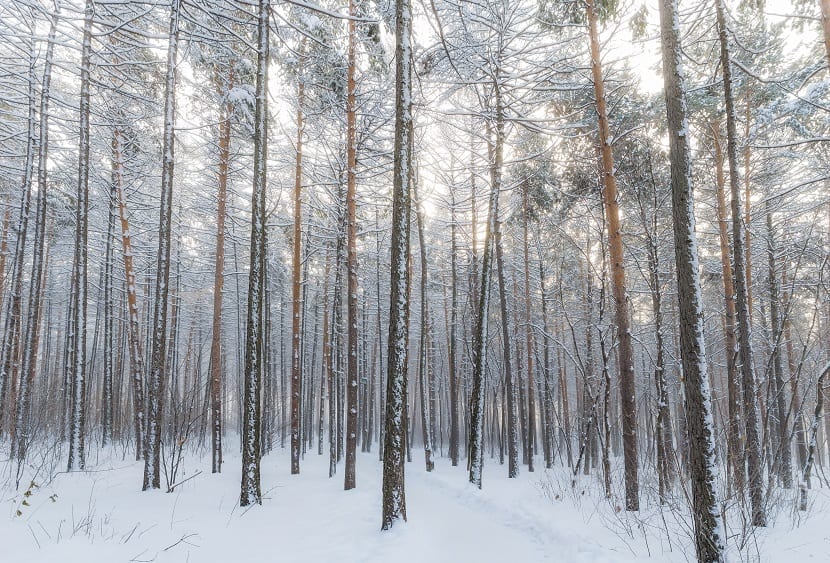
Tundra
They are characterized by extremely low temperatures and very harsh conditions for the survival of living beings. Very few species of plants and animals can survive in these places. They cover the territories of Russia and the Arctic. Human beings also have great difficulties to be able to live in these ecosystems.
The forests
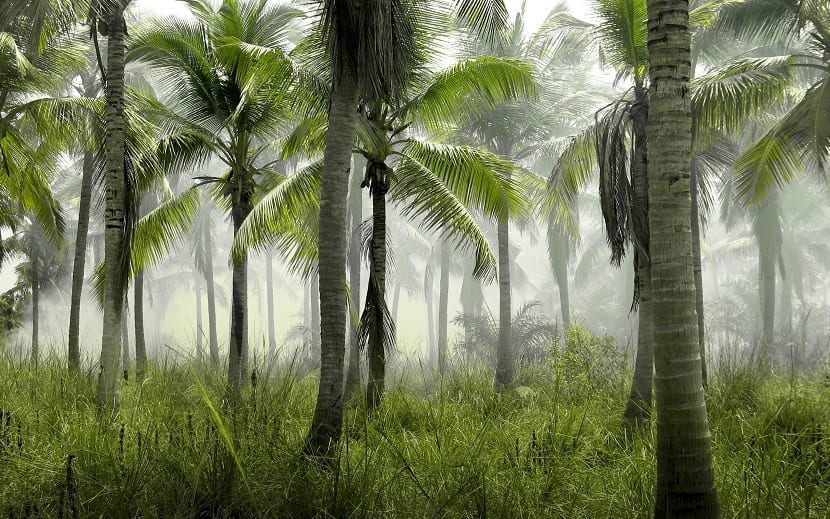
Tropical forests
They are found in tropical and subtropical areas. They are characterized by their large amount of humidity. In them the annual rainfall is very abundant and there is a great wealth of vegetation.
Grasslands
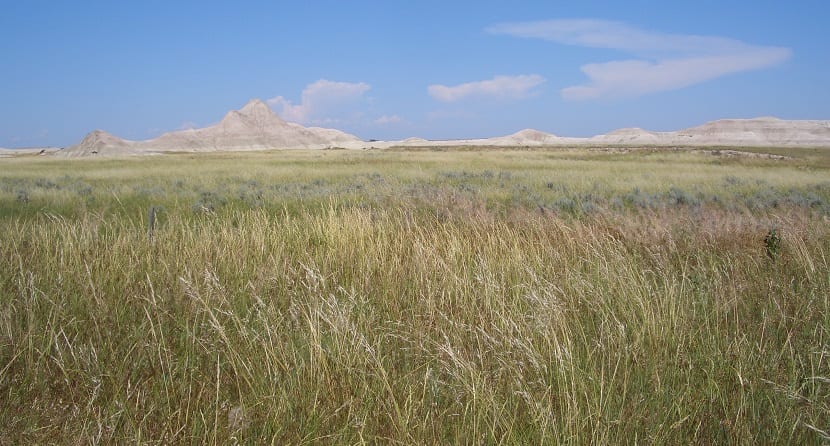
Grasslands
They have a great abundance of plants, grasses and various species of flowering plants. They have a drier season and a rainier one with acceptable and stable temperatures all year round. Thanks to these stable conditions, many more species can live well in these ecosystems.
The desert

Desert
It is the hottest biome on the planet. It is the opposite of the tundra. It is characterized by its extreme climatic conditions of high temperatures and very little abundant rainfall. For the human being there is a great risk of fire due to the high temperatures, which is why many areas burn due to the little humidity that there is. The organisms that live in these ecosystems are adapted to the lack of water and have reserve mechanisms to survive.
Freshwater biomes
These biomes are characterized by organisms living in freshwater. Aquatic life is very abundant, and living conditions are completely different from those of terrestrial biomes. The organisms that live in these places depend on many variables, such as water depth, temperature, and water regime (whether it is moving or stagnant).

When we talk about freshwater biomes, we tend to think of large bodies of water teeming with numerous plant and animal species. But that's not necessarily the case. Freshwater biomes include lakes, rivers, streams, ponds, and wetlands. Wetlands are particularly relevant to climate change because they are home to many species that are indicators of climate change. When we see areas covered in moss in a lake or river, we know that there are organisms living in the water that feed on it to survive. Mosses are indicators of places with high humidity, as they need it to live.
Marine biomes
Marine biomes differ primarily from freshwater biomes in that they contain saltwater. These include seas, oceans, estuaries, and coral reefs. The marine biome is the most extensive on the planet. Coral reefs are being severely affected by the effects of climate change. When ocean temperatures rise (as they are currently doing due to the increased greenhouse effect and global warming), coral reefs suffer a condition called bleaching. The reefs turn white and lose their ability to reproduce until they die. When coral reefs die, all the species that depend on them for survival are also negatively affected.

Today we can study the relationship of living beings in these marine biomes thanks to the development of new technologies (such as underwater cameras) that allow us to record the seabed and everything that happens on it.
Endolytic biomes
Endolithic biomes are currently the subject of debate among experts as to whether they belong to a completely different classification. However, many scientists maintain that they deserve the appropriate categorization we are currently assigning them. This type of biome can be found within other biomes, as it encompasses all types of microscopic life forms.

The organisms that live in these biomes usually do so in the pores of rocks and in places that are very difficult to see and identify, but which are essential for life.
Anthropogenic biomes
Although we often talk about the environment, biomes, ecosystems, and so on, we refer to nature, animals, and plants, it is vital to include humans , as they are the primary factor influencing changes in biomes. These biomes encompass the areas most altered by human activity. Areas used for agriculture and livestock farming belong to anthropogenic biomes. Studies on which vegetation grows best and in which locations plantings can be optimized from year to year, leading to greater benefits with larger and more productive harvests.
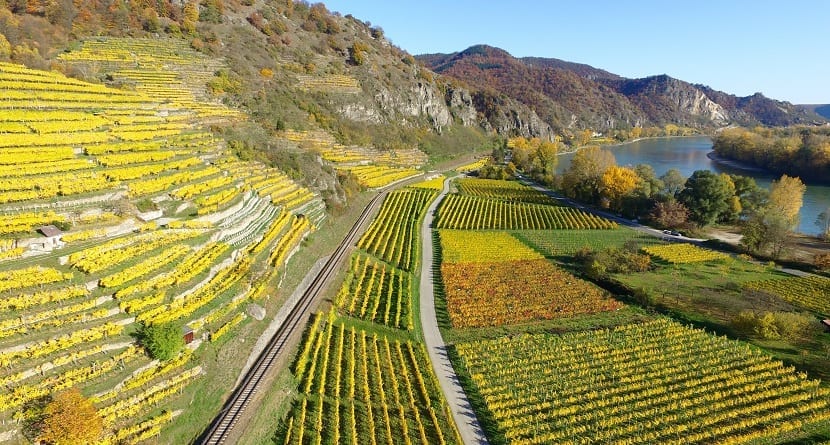
Depending on the areas of the planet that we study, we can study the different species of plants that are grown and traded. By optimizing natural conditions we can make crops better and less harmful. That is, if we carry out a study on which plant species grows best depending on the conditions of the place and we plant it, we will obtain better results with less effort. For example, the planting of irrigated species such as avocado and mangoes in rainfed areas where rainfall is low. If these fruits are grown in rainier and more humid areas, better harvests will be obtained with lower production costs, so the benefits obtained will be greater and the impacts on nature less (impacts on the use of irrigation water in places with few annual rainfall).
Man, climate change and biomes
When we talk about humanity, we must also talk about climate change. There is no doubt that humankind has negatively impacted our planet. The effects of global warming are becoming increasingly catastrophic for ecosystems. They have increased the temperature of many cold ecosystems. This causes changes in the distribution range of many species that need lower temperatures to survive, and at the same time, an increase in the areas where certain species that need warmer temperatures can survive.
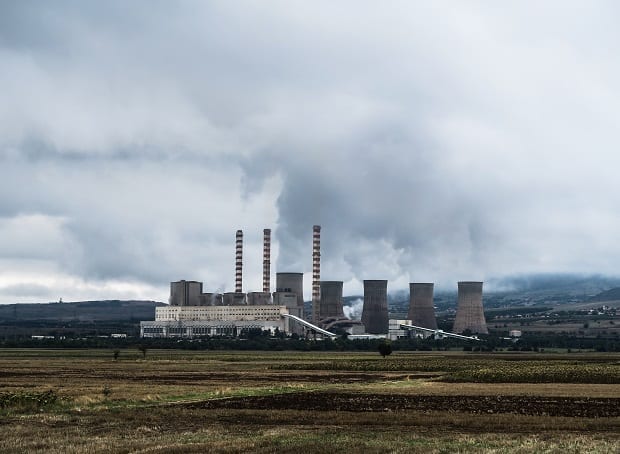
Studying the aforementioned anthropogenic biomes offers an opportunity to conduct activities in a more environmentally responsible way, minimizing our impact. It also allows us to make informed decisions about how our economic activities might affect other living beings.
That is why knowing the planet's biomes is vitally important to understand the relationships of all individuals, both animals and plants, as well as our relationships with the rest of the organisms that inhabit our planet.
Table of Contents